Single-Walled Carbon Nanotubes (SWCNT’s)
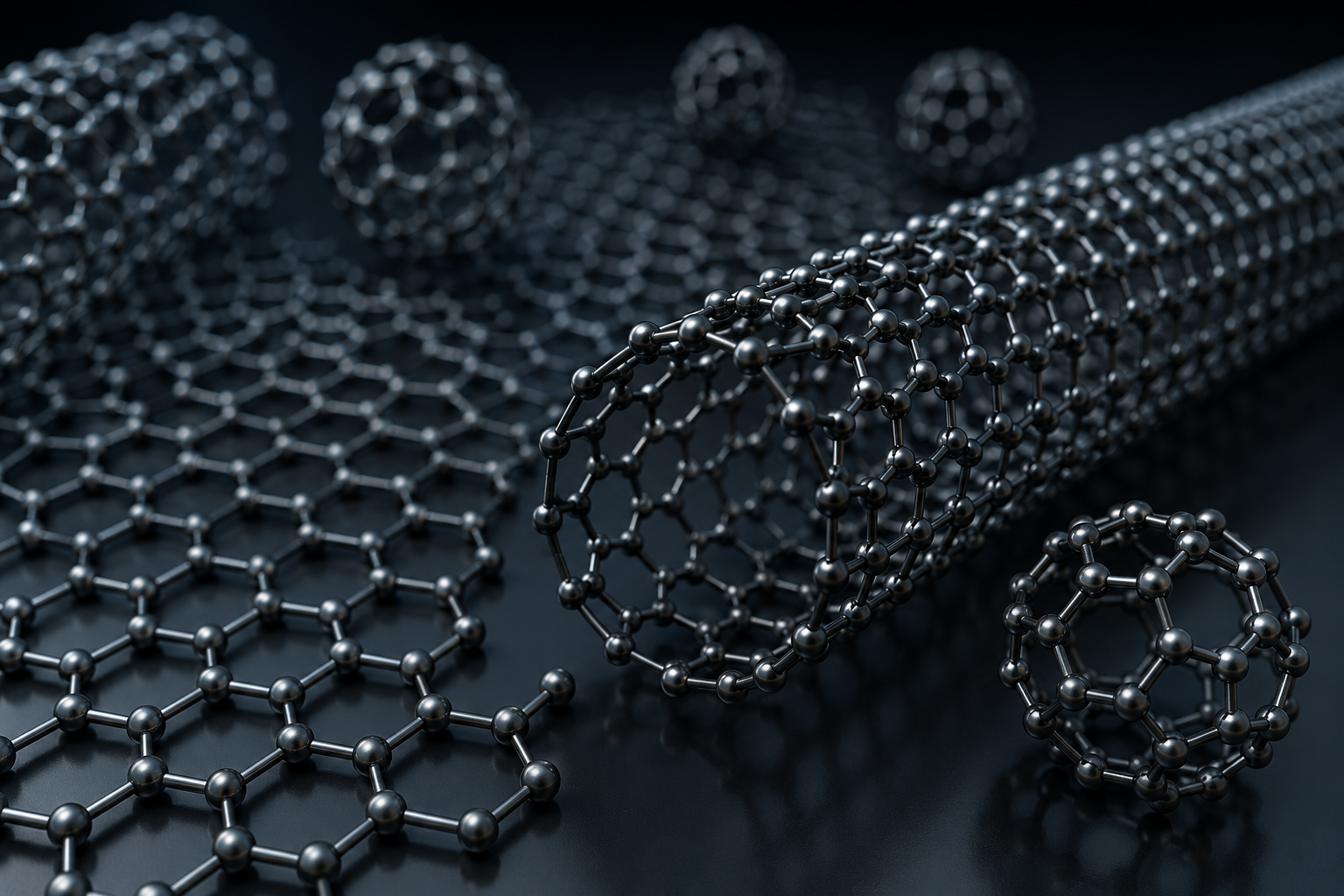
Single-Walled Carbon Nanotubes (SWCNTs) are cylindrical nanostructures composed of a single layer of graphene rolled into a seamless tube. Due to their unique atomic structure, SWCNTs exhibit exceptional electrical conductivity, outstanding mechanical strength, excellent thermal conductivity, and an extremely high aspect ratio.
These remarkable properties make SWCNTs one of the most advanced nanomaterials available for research and industrial innovation. They are widely utilized in electronics, energy storage, aerospace, composite materials, sensors, and next-generation flexible devices.
Our SWCNT product portfolio includes high-purity powders and stable dispersions formulated in various solvents to support research laboratories, universities, and industrial R&D applications.
Why Choose SWCNTs?
- Exceptional electrical conductivity
- Excellent thermal conductivity
- High mechanical strength
- Ultra-lightweight nanomaterial
- High aspect ratio
- Excellent chemical stability
- Large specific surface area
- Easy incorporation into advanced materials
- Suitable for scalable research and industrial applications
Product Categories
SWCNT Powders
High-purity single-walled carbon nanotube powders for advanced material development and nanocomposite manufacturing.
Typical applications include:
- Polymer reinforcement
- Conductive composites
- Battery materials
- Supercapacitors
- Sensors
- EMI shielding
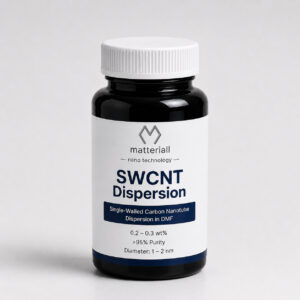
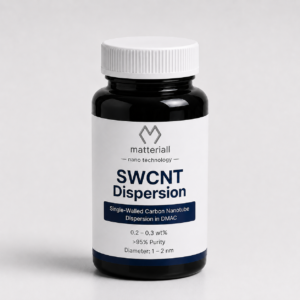
SWCNT Dispersions
Ready-to-use dispersions providing excellent nanotube distribution and reduced agglomeration for simplified processing.
Available solvent systems include:
- Water
- DMF
- DMAC
- NMP
- Ethanol
- IPA
- Other custom solvents
Ideal for:
- Printed electronics
- Conductive coatings
- Thin-film fabrication
- Flexible electronics
- Transparent conductive films
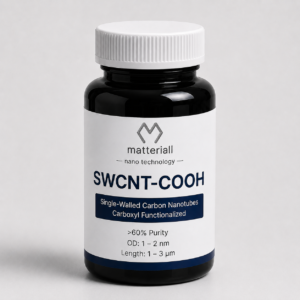
Functionalized SWCNTs
Surface-modified nanotubes engineered to improve compatibility with polymers, resins, solvents, and biomaterials.
Functional groups may include:
- Carboxyl (-COOH)
- Hydroxyl (-OH)
- Amine (-NH₂)
- Other customized surface chemistries
Applications:
- Polymer composites
- Biomedical research
- Sensors
- Surface engineering
Typical Applications
Electronics
SWCNTs are widely used in conductive films, printed circuits, flexible displays, transparent electrodes, and semiconductor research.
Energy Storage
Suitable for:
- Lithium-ion batteries
- Sodium-ion batteries
- Supercapacitors
- Fuel cells
Their high conductivity improves charge transport and overall device performance.
Composite Materials
SWCNTs significantly enhance:
- Mechanical strength
- Electrical conductivity
- Thermal conductivity
- Fatigue resistance
Used in:
- Aerospace
- Automotive
- Sporting goods
- High-performance polymers
Sensors
Due to their exceptional sensitivity and electrical properties, SWCNTs are employed in:
- Gas sensors
- Biosensors
- Chemical sensors
- Pressure sensors
- Wearable electronics
Nanotechnology Research
SWCNTs continue to play a vital role in cutting-edge research involving:
- Quantum materials
- Nanoelectronics
- Photonics
- Flexible devices
- Smart materials
Quality Assurance
All SWCNT materials are manufactured under controlled production conditions and undergo quality verification for:
- Purity
- Diameter distribution
- Concentration (for dispersions)
- Dispersion stability
- Visual inspection
- Batch traceability
Certificates of Analysis (COA) are available for selected products.
Storage Recommendations
Store products in a cool, dry environment.
Dispersion products should be gently shaken before use. Mild sonication may be applied if slight sedimentation occurs during long-term storage.
Safety Information
Handle all nanomaterials using appropriate laboratory safety procedures.
Recommended PPE includes:
- Laboratory gloves
- Safety glasses
- Protective clothing
- Local exhaust ventilation or fume hood
Refer to the relevant Safety Data Sheet (SDS) before use.
Industries We Serve
- Universities
- Research Institutes
- Electronics Manufacturers
- Battery Manufacturers
- Aerospace Industry
- Automotive Industry
- Chemical Industry
- Advanced Materials Research
- Nanotechnology Companies